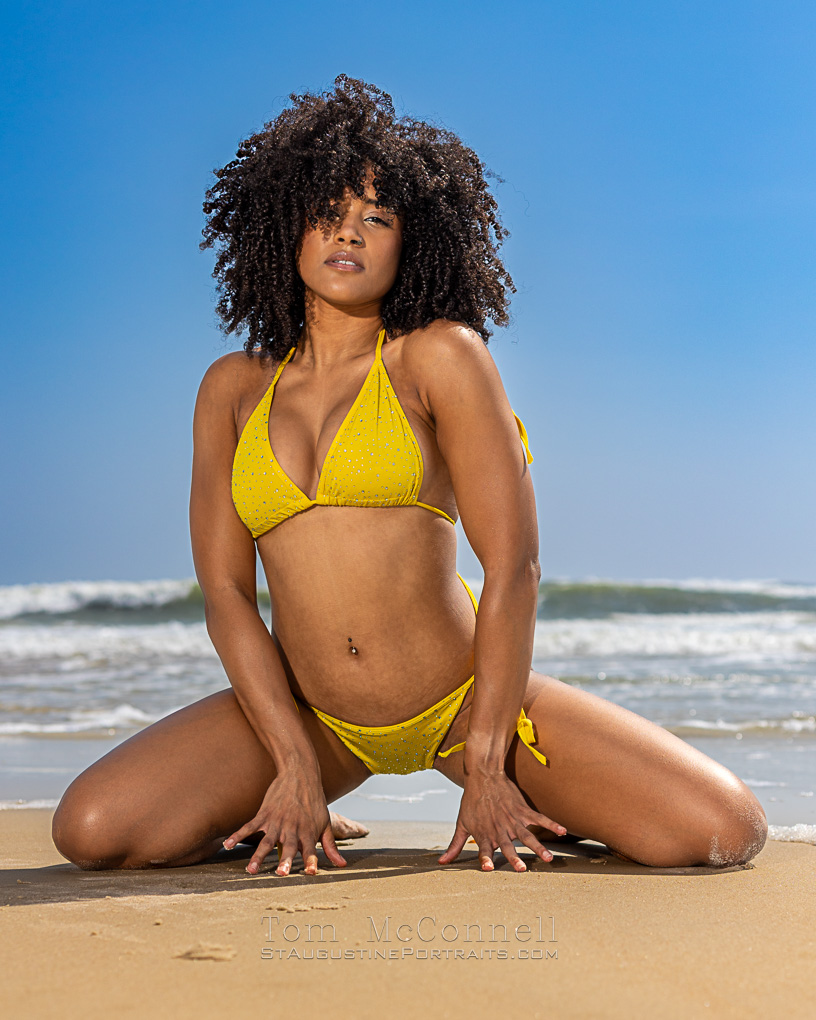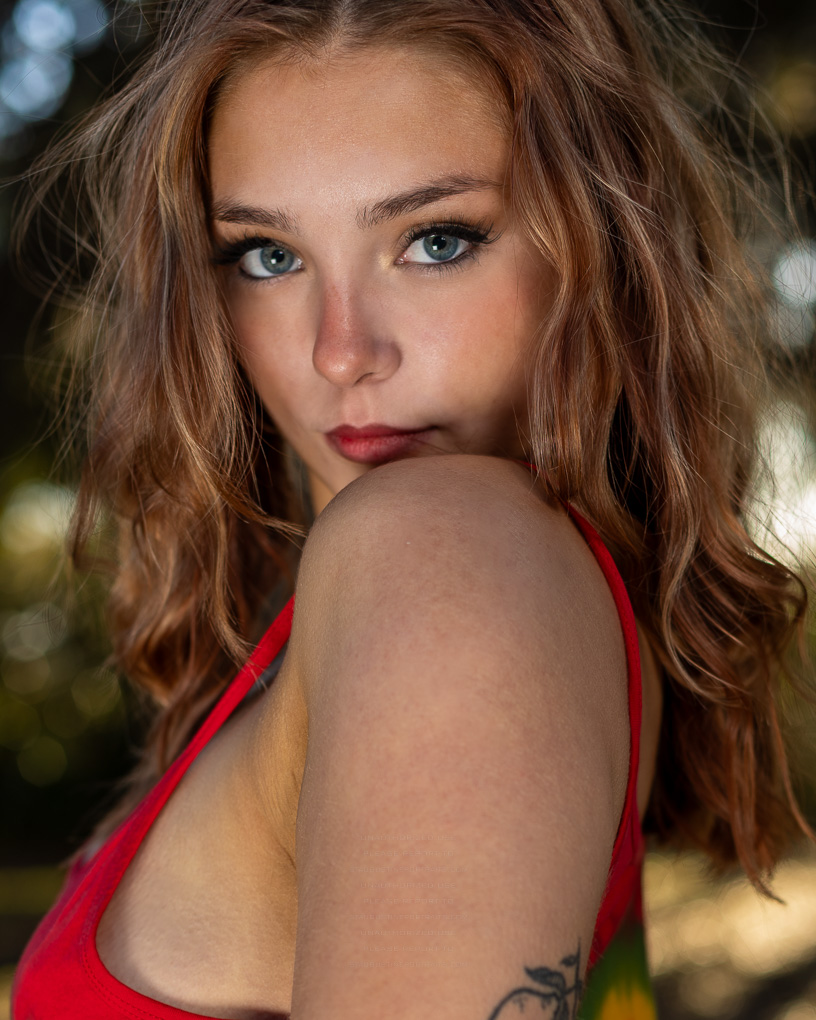
Empowerment Beach Photo Sessions: Planning Your Experience
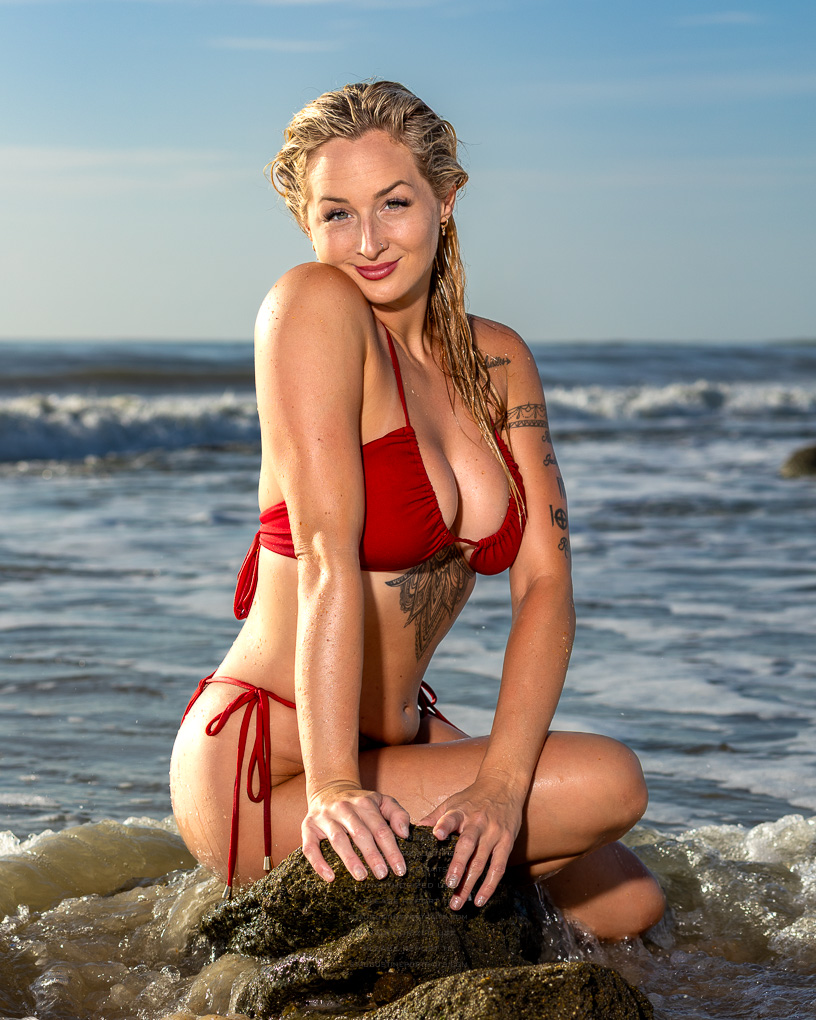
An empowerment beach photo session gives you space to express your personality, strength, and style in a natural setting. The shoreline offers soft light, open space, and simple movement prompts that can help you feel more relaxed in front of the camera.
You can create meaningful images by choosing a photographer who guides your poses, respects your boundaries, and helps you feel confident throughout the experience. Thoughtful styling, suitable timing, and clear communication will shape the shoot from planning through the final images.
Key Takeaways
- Choose a setting, style, and photographer that fit your comfort level.
- Use simple prompts and natural movement to create authentic photos.
- Plan clothing, timing, privacy, and image details before the session.
What Makes a Meaningful Session
A meaningful empowerment beach photo session starts with a clear personal purpose, honest expression, and a setting that fits your story. When you define what you want to feel and communicate, your choices in clothing, poses, timing, and location become more intentional.
Set an Intention Rooted in Self-Love
Before your photography session, decide what you want the images to represent. You might want to recognize a personal change, rebuild confidence after a difficult period, celebrate your body, or mark a new stage in your life. Write one sentence that guides the session, such as, “I want to see myself as strong and present.”
Choose clothing, poses, and expressions that support this intention. You do not need to copy a style from social media or meet a fixed idea of beauty. Your self-love may appear through a direct gaze, relaxed movement, bare feet in the sand, or a simple portrait that reflects how you feel now.
Share your intention with your photographer before the session. This helps them plan the lighting, direction, and photography prompts around your needs rather than relying on generic poses.
Create a Safe Space for Authentic Expression
A safe space allows you to show emotion without feeling judged or rushed. Discuss boundaries before the session, including poses you do not want, areas of your body you prefer to cover, and whether you feel comfortable being photographed near other people. You can change your mind at any time.
Ask your photographer to explain each pose and offer clear direction. You should have time to adjust your clothing, take breaks, and review selected images if the package includes viewing during the session. Respectful communication helps you stay in control.
Authentic expression does not always mean smiling. A calm face, strong posture, movement, or a quiet moment beside the water may better reflect your experience. Let the photographer capture different sides of your confidence without forcing a mood.
Choose a Beach Setting That Supports Your Story
Select a beach based on the feeling and practical needs of your session. Wide open sand can suit images about freedom, while rocks, dunes, or coastal paths may add structure and strength. Calm water can create a quiet mood, while waves and wind can support more active photographs.
Consider privacy, access, tides, weather, and the time of day. An early or late session often provides softer light and fewer people, but you should also choose a time when you feel comfortable and alert. Check whether the beach requires permission for professional photography.
Your setting should support your story, not distract from it. Discuss the location with your photographer and plan a backup option if rain, strong wind, or crowded conditions affect the beach.
Plan the Shoot From Styling to Final Images
You can shape the empowerment experience through clothing, location, timing, posing, and image choices. Clear planning helps your photography session feel personal, comfortable, and organized from the first consultation to the final gallery.
Select Outfits, Props, and Golden-Hour Timing
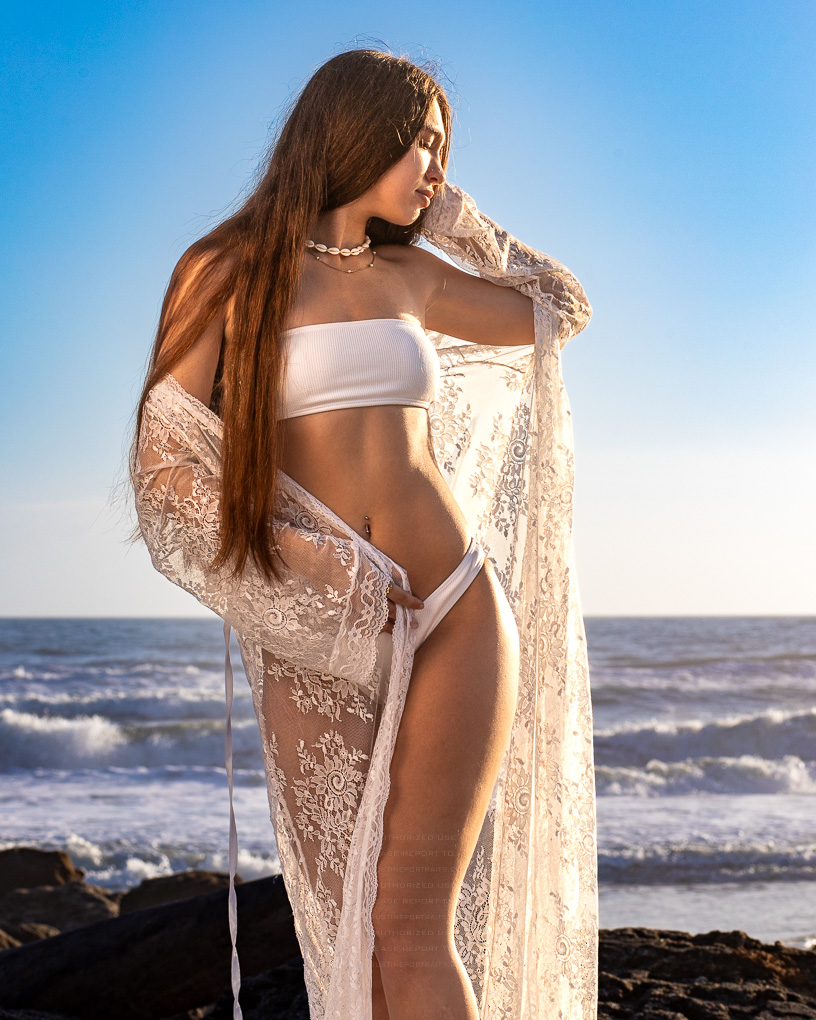
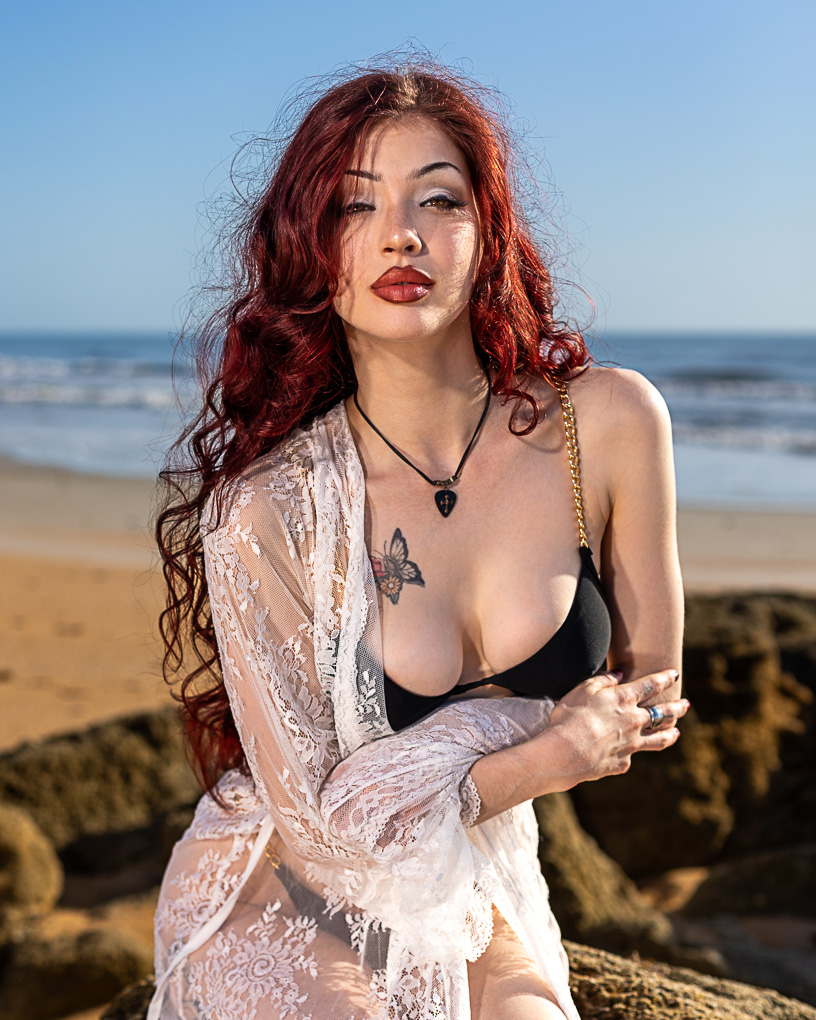
Choose outfits that match the mood you want to express. A flowing dress can add movement, while a structured jacket, swimsuit, or simple top may create a stronger, more direct look. Select two or three options in colors that work with the beach, such as white, sand, blue, muted green, or warm earth tones. Avoid tight patterns and large logos because they can distract from your face and body.
Bring only props that support your story. A hat, scarf, flowers, surfboard, or blanket can add interest, but each item should feel natural rather than forced. A styling session and planning call can help you coordinate clothing, location, and creative direction before the shoot, as described in this beach empowerment photography package.
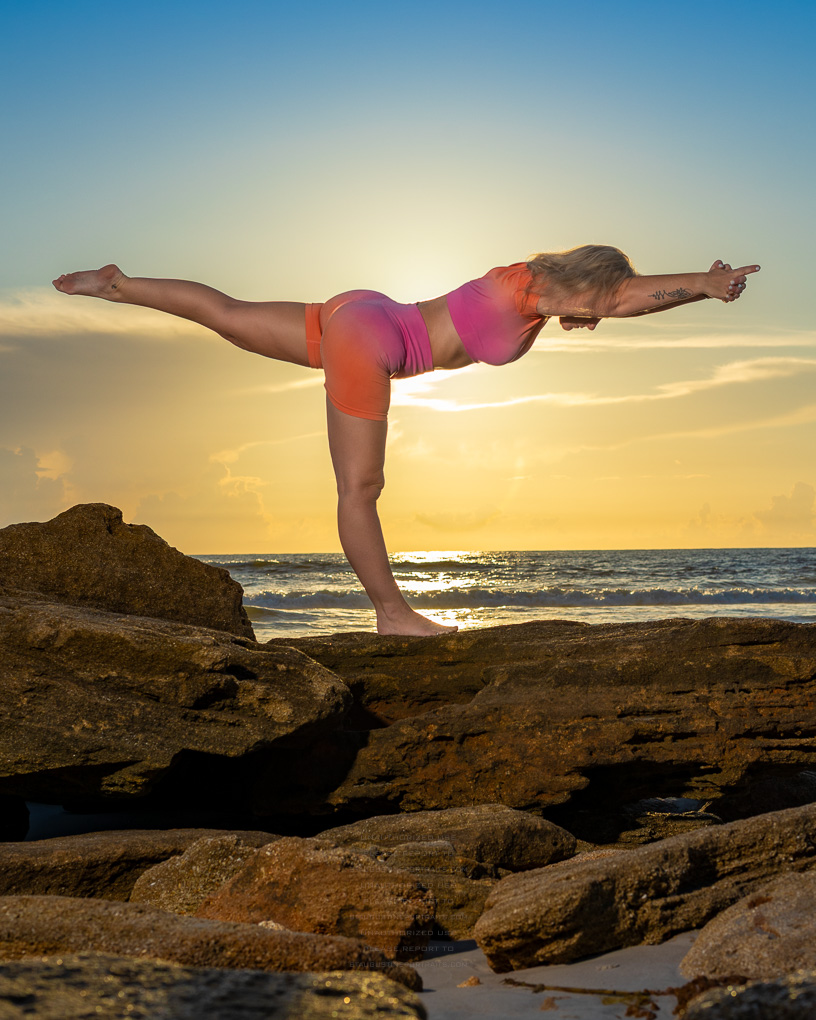
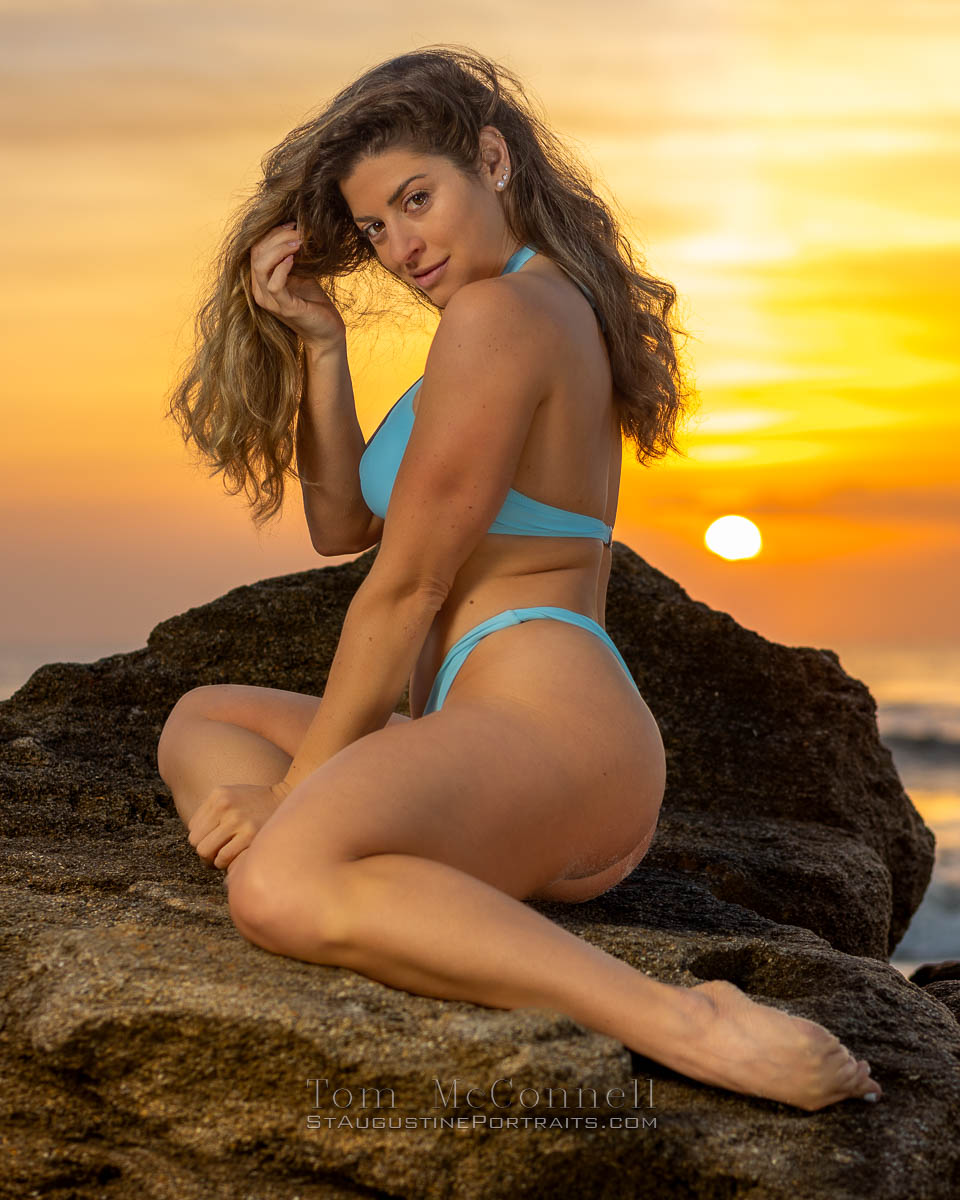
Schedule the session during golden hour, shortly after sunrise or before sunset. The softer light reduces harsh shadows and gives the sand and water a warm, even appearance. Check the tide, wind, forecast, and access rules before you confirm the time.
Use Guided Posing to Build Confidence
You do not need professional modeling experience. Your photographer can give clear directions for posture, hand placement, walking, turning, and eye contact. Start with simple movements, such as walking along the water, adjusting your hair, or looking toward the horizon. These actions help you relax while producing natural images.
Ask for pose changes that suit your comfort level. You might begin fully clothed and standing, then move to seated, reclining, or more expressive poses as you gain confidence. Keep your shoulders relaxed, lengthen your neck, and shift your weight onto one leg instead of standing rigidly.
Communicate throughout the session. Tell your photographer if wind, sand, clothing, or a pose feels uncomfortable. Full creative direction and posing guidance are common parts of a structured empowerment photo session, but you should still have control over what you do and what gets photographed.
Understand Editing, Image Delivery, and Sharing Choices
Ask what the photography package includes before the session. Confirm the number of edited images, delivery format, turnaround time, retouching approach, and any costs for extra images, albums, prints, or video. A written agreement should also explain image rights and cancellation terms.
Editing can correct exposure, color, small distractions, and temporary skin marks. Discuss your preferences before the shoot if you want natural retouching, stronger contrast, or a specific color style. Professional editing should preserve your features rather than change your body or identity without your approval.
Decide how you want to share the final images. You may keep them private, print a small album, display a favorite portrait, or post selected photographs online. Review privacy settings and confirm whether the photographer may use your images for advertising. A curated gallery of high-resolution, edited images is one common delivery option for this type of beach photo session.
Frequently Asked Questions
Choose clothing that fits well, moves easily, and reflects your personality. Prepare for sun, wind, sand, and changing weather so you can stay comfortable during the session.
What should I wear for a beach photo session focused on confidence and self-expression?
Wear an outfit that makes you feel comfortable and confident. Flowing dresses, fitted tops with wide-leg pants, swimwear with a cover-up, and simple coordinated separates can all work well.
Choose colors that stand out against sand and water, such as white, cream, blue, green, or warm earth tones. Avoid small busy patterns, large logos, and clothing that needs constant adjustment.
Bring at least one backup outfit. Select pieces that move well in the wind and check that hemlines, straps, and necklines feel secure when you walk or pose.
How do I prepare for a beach photoshoot to feel comfortable and confident?
Plan your outfits, accessories, and desired image style before the session. You can practice a few natural poses in a mirror, but your photographer can guide your hands, posture, and movement during the shoot.
Bring water, sunscreen, a towel, comfortable shoes, and a brush or comb. Arrive with enough time to change and settle in rather than rushing from another appointment.
If you feel nervous, tell your photographer before you begin. Starting with walking, sitting, or looking toward the water can help you ease into more direct poses.
What time of day provides the best lighting for beach portraits?
The hour before sunset often provides soft, warm light and fewer harsh shadows. Many photographers call this period the “golden hour,” but the exact timing changes with the season and location.
Early morning can also provide gentle light, cooler temperatures, and fewer people on the beach. Your photographer can recommend a start time based on the beach’s direction, tide, and expected weather.
Can I include personal items, outfits, or meaningful props in the session?
Yes. Personal items can add meaning and help you feel more connected to the session. Consider bringing a hat, jacket, scarf, flowers, books, musical instruments, sports equipment, or an item linked to an important milestone.
Limit props to a few pieces that support your story. Tell your photographer about them in advance so they can plan suitable poses and protect delicate items from sand or water.
How long does a typical beach portrait session last?
A beach portrait session commonly lasts about 60 to 90 minutes. This allows time for several poses, location changes, outfit adjustments, and short breaks.
Some photographers offer shorter sessions for one outfit or a focused set of portraits. Others include an outfit change, wardrobe planning, retouching, and digital images, as described in this empowerment photography package.
What happens if the weather is unfavorable on the day of the shoot?
Contact your photographer as soon as the forecast shows strong wind, heavy rain, lightning, or unsafe conditions. Many photographers reschedule outdoor sessions when the weather could affect safety or image quality.
Ask about the photographer’s weather policy before booking. Depending on the conditions, you may move the session to another date, use a nearby covered location, or continue with light cloud cover if the beach remains safe.